We're Done Running From Zombies
The R21.5 Field Guide to finishing, killing, or finally escaping zombie projects • Monthly Muster

In this sprint, we explored the phenomenon of zombie projects: the things that never quite finish, never fully die, just keep shambling forward consuming mental energy without ever releasing us. They’re not dead. But they’re not really alive either.
The deeper question turned out to be about us, not our to-do lists. We’re being asked to become zombies ourselves—perpetually available, endlessly productive, with no off-switch. But we’re not machines. We have seasons of capacity and seasons of depletion. We can’t maintain the same energy output regardless of circumstances, because that’s not how creatures work.
We started with our SloDo “Mostly Dead Means Slightly Alive,” an invitation to inventory responsibilities, obligations, and relationships—noticing what feels urgent versus important, what brings joy versus dread, and asking “What feels alive here?”
We then took a Deep Dive into “When Your To-Do List Becomes a Zombie Horde.” Built around Rachel’s coaching session—a working mom navigating 200 minutes of daily driving, unpredictable sports schedules, and the dread of hitting December unprepared—we identified “zombie projects.” We took a look at the cultural expectation that we become “undead workers”—perpetually available, never saying “enough,” also realizing the proactive paradox: we can only plan ahead when we have capacity before chaos hits. We then revisited how purpose serves as a filter: helping us choose between equally good options based on who we’re becoming, as well as providing us with a call to honest assessment of creaturely limits rather than optimization.
We followed up with Focal Things, with tactics for getting ready “Before the Horde Arrives: The Project Brief.” This is a pre-commitment tool that I adapted from the idea of creative briefs and Tara McMullin’s goal-setting work. It offers a practical way to identify three projects for your next major milestone—not ten, just three—and either complete them or shoot them in the head. Use the project brief to think through each one clearly—outcome, stages, resources, troubleshooting—then give yourself permission to let everything else wait.
Columbus from Zombieland served as our Character Reference: “Cardio, Double Tap, and Evening Prep” He modeled this for us surprisingly well: pre-decisions made when you can think clearly, simple rules that evolve as circumstances change, all rooted in knowing what you’re actually trying to protect or accomplish.
I don’t know about you, but the idea of being able to knock zombie projects off the board feels incredibly freeing. It gives us space to sit with the question “Who are you designed and called to become?” Let your answer guide what deserves your attention—and what needs to be left in the rearview mirror.

Recommendation
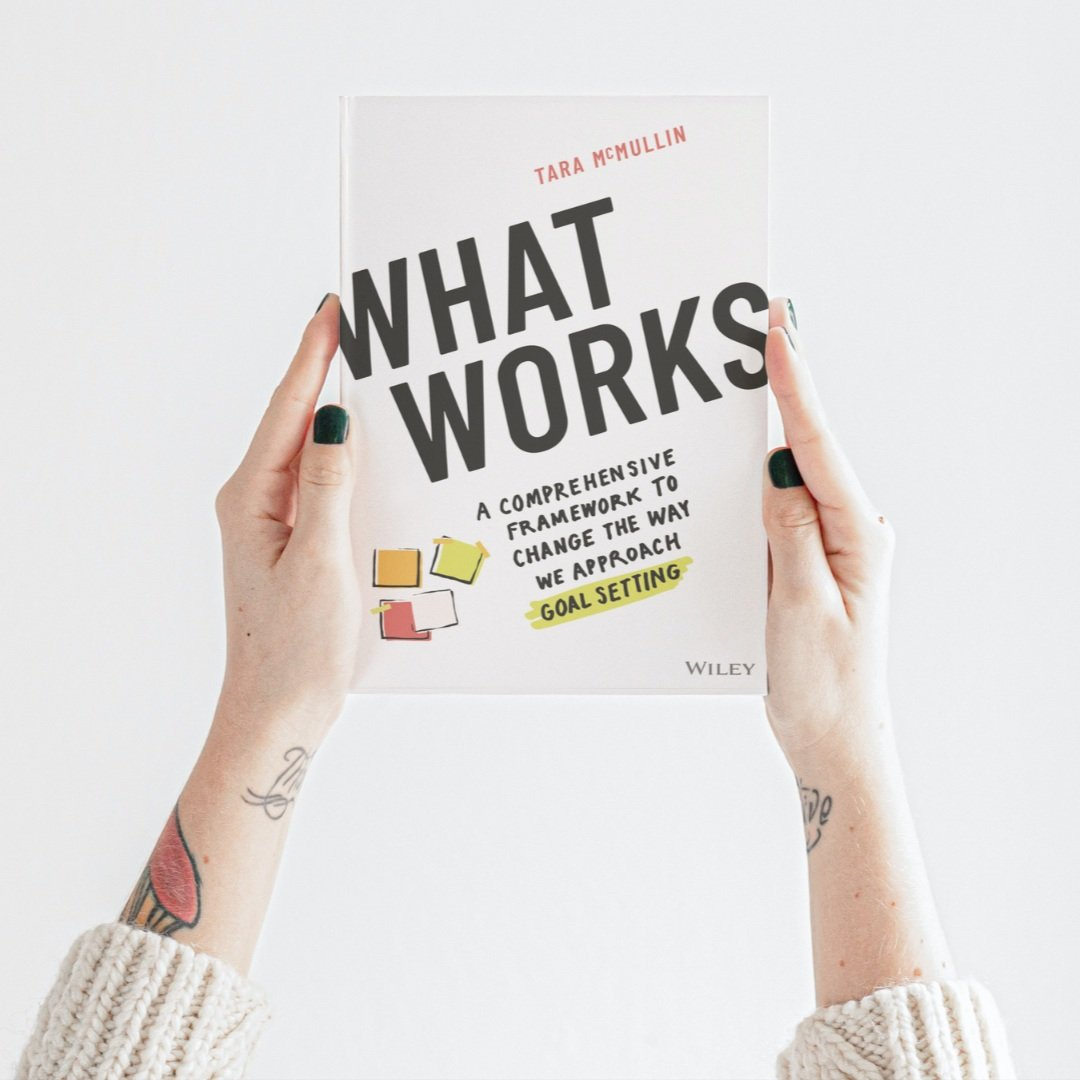
If you found the idea of a project brief interesting, and you’d like to dig into the book that inspired me, check out Tara McMullin’s What Works: A Comprehensive Framework to Change the Way We Approach Goal-Setting. She goes into the systemic factors that shape how we typically understand goals, while also offering practical solutions at the personal level.
I’ll be digging into more into this idea of challenging the language and practice of goals here in the near future, so stay tuned!
And finally…
It’s tacofredag!!
It’s not a taco in the traditional sense, but it does involve a tortilla. Grab a large tortilla (I like Mission Gluten-Free), heat some oil in a skillet, throw your favorite sliced meats, cheeses, and condiments in there, and make yourself a dang quesadilla.1 Simple but effective.
And if you’re curious about how to create sustainable systems in your purpose-focused life (or you want to get away from zombies), book a free Curiosity Call with me! We’ll take a look at what’s broken, missing, or confused in your processes, tools, or practices, and then see how I can help.
Let’s be hopeful, creative, and wise—together.
Shalom,